

(Disclaimer: Affiliate links are used in this post. I may receive a small commission if you click and make a purchase. This helps support my blog and allows me to continue creating content like this. Thank you for your support!)
In today’s whirlwind world, the ability to manage time isn’t just a useful habit—it’s a crucial skill that determines a teen’s success in high school, college, and beyond. This week, we’re diving into the importance of teaching teenagers about scheduling and time management. It’s about empowering them to become masters of their time, rather than letting the pressure of deadlines and commitments master them.
🚀 Why Time Management Is Your Teen’s Greatest Superpower
Time management is an investment that pays dividends in every area of a teen’s life. It fundamentally shifts their experience from reactive chaos to proactive control:
1. The Ultimate Stress Buster
- Effective time management helps teens avoid feeling overwhelmed, eliminating the need for frantic, last-minute cramming sessions. By planning ahead, they can significantly reduce anxiety and protect their mental health.
2. The Independence Amplifier
- When a teen owns their schedule, they own their life. Managing their own deadlines and appointments fosters a strong sense of autonomy and accountability, which are non-negotiable traits for adult success.
3. The Productivity Powerhouse
- Learning to prioritize tasks and allocate time effectively leads to increased focus and, ultimately, better results in academics and extracurricular activities. They learn to work smarter, not just harder.
4. The Future-Ready Guarantee
- These skills are the bedrock for thriving in college, navigating the demands of the workplace, and maintaining a healthy personal life. It’s the essential, portable skill set for independent living.
🛠️ The Time Management Toolkit: 6 Essential Skills to Teach
Equip your teen with these practical, high-impact skills that professional adults rely on every day:
1. Prioritizing Tasks (The “Eat the Frog” Method)
Teach teens how to identify their most important, challenging tasks (their “frog”) and focus on tackling those first. This ensures high-leverage work is completed when their energy is highest, preventing procrastination on essential projects.
2. Visualizing Commitments (Using a Planner)
Encourage the consistent use of a physical or digital calendar/planner to track appointments, deadlines, and activities. This moves commitments out of their overloaded brains and onto a central, organized visual system.
3. Breaking Down Large Projects
Help teens break down daunting tasks (like a research paper or a large study unit) into smaller, manageable steps. This reduces intimidation and makes the project feel achievable, building momentum and preventing avoidance.
4. Setting Realistic Goals (Success-Oriented Planning)
Teach them how to set achievable, SMART (Specific, Measurable, Achievable, Relevant, Time-bound) goals and create an actionable plan to reach them. This sets them up for success, not burnout or disappointment.
5. Time Blocking for Focus
Introduce the concept of time blocking, where specific, fixed time slots are allocated for different activities (e.g., 6:00 PM – 7:00 PM: Math Homework; 7:00 PM – 7:30 PM: Dinner). This creates structure and helps combat the distraction of multitasking.
6. The Power of “No” (Protecting Their Time)
Learning to respectfully decline commitments that overextend them is crucial for maintaining balance and preventing burnout. Teach them that saying “no” to one thing is often saying “yes” to their own priorities and well-being.
☎️ Real-World Application: Mastering Appointments and Scheduling
Time management extends beyond homework—it involves managing real-life logistics. A critical aspect of independence is handling personal appointments:
- Take Ownership: Have your teen schedule their own doctor’s appointments, dentist visits, and other personal appointments (with supervision at first). This fosters crucial accountability.
- Use Reminders: Insist on setting up phone or calendar reminders for appointments, making sure they are set 24 hours and one hour before the event.
- Be Prepared: Teach them the professional etiquette of making appointments: having necessary information (insurance card, referral numbers) ready, and knowing the purpose of the visit.
📚 Recommended Reading for Time Mastery
To support your teen’s journey toward independence, consider introducing them to these foundational texts on self-management and productivity:
- For the Foundational Thinker: The 7 Habits of Highly Effective Teens by Stephen R. Covey. This is a classic guide to personal effectiveness, covering not just time management but also goal setting and proactive behaviour.
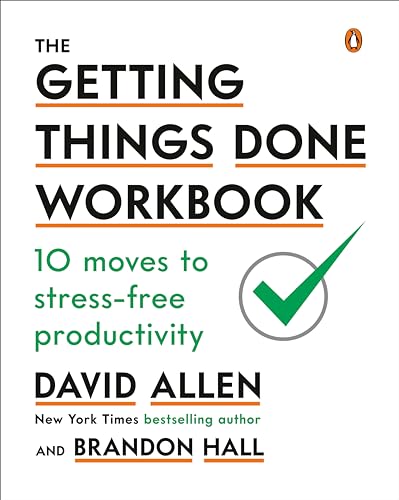
- For the Advanced Manager: Getting Things Done (GTD) by David Allen. While complex, the core principles of capturing all tasks and processing them can be adapted for highly motivated older teens. Look for the simplified versions:


🔑 Your Next Step: Give Them the Ultimate Survival Kit
By helping your teen develop strong scheduling and time management skills, you’re not just teaching them how to manage their calendar—you’re teaching them how to manage their entire life. It’s the single most powerful gift you can give them.
Ready to ensure your teen has all the necessary skills for independent living?
🔥 FREE DOWNLOAD: Your Solo Survival Kit – The Essential Life Skills Checklist
This comprehensive guide covers Time Management, Financial Literacy, Household Skills, and more. Use this checklist to map their progress and guarantee they are future-ready!
Click Below to Download Your Free Checklist Now!
By helping your teen develop strong scheduling and time management skills, you’re not just teaching them how to manage their time—you’re teaching them how to manage their lives. It’s a gift that will keep on giving for years to come.
Want more tips and resources for raising confident and capable teens? Check out the resources available on Lilacbloomdigital: