
Why Financial Literacy Is Your Child’s Superpower
Disclosure: This post may contain affiliate links, which means I may receive a commission if you make a purchase through these links at no extra cost to you.
In today’s complex world, teaching children about money isn’t just a good idea—it’s essential. Financial literacy is the foundation for future success and independence. Without it, young adults are left unprepared to navigate everything from debt and budgeting to saving and investing.
The good news is, learning can be fun! Books are a powerful and accessible tool for introducing these concepts in a relatable, non-stressful way. A great book can spark a vital conversation, illustrate an abstract concept, and turn a potentially boring topic into a captivating story. By sharing these reads, you’re giving your child the knowledge and confidence to make smart financial decisions for life.
Top Financial Literacy Books by Age Group

Here are some of our favourite books, structured by age, to help you start conversations about earning, saving, giving, and responsible spending.
For Young Children (Ages 4-8): Building the Basics
These books use simple stories and engaging characters to introduce the fundamental ideas of money, value, and delayed gratification.
| Book Title | Core Lesson & Benefit |
| The Berenstain Bears’ Trouble with Money | Lesson: The difference between “wants” and “needs,” the importance of earning, and the dangers of impulsive spending. |
| Alexander, Who Used to Be Rich Last Sunday | Lesson: The fleeting nature of money and the emotional consequences of spending carelessly. Benefit: Shows kids that everyone makes money mistakes and teaches them to track where their cash goes. |
| The Very Greedy Bee | Lesson: The concept of giving and sharing vs. hoarding. Benefit: Introduces generosity and the idea that money isn’t just for yourself. |
| The Giving Tree | Lesson: While not strictly financial, this book powerfully illustrates the concept of value and selflessness. Benefit: Promotes deep thinking about what makes a life rich beyond material wealth. |
| Lila’s Big Idea (Addition) | Lesson: Entrepreneurship and earning money through creativity and effort. Benefit: Inspires kids to look for opportunities to solve problems and be resourceful. |

For Older Children (Ages 9-12): Stepping Up Responsibility
As kids gain an allowance or start earning small amounts, these books delve into more practical skills like budgeting, goal setting, and the power of starting small.
| Book Title | Core Lesson & Benefit |
| The Opposite of Spoiled | Lesson: A parent-focused guide to raising kids who are grounded, generous, and smart about money. Benefit: Offers practical strategies for connecting money to family values like responsibility and generosity. |
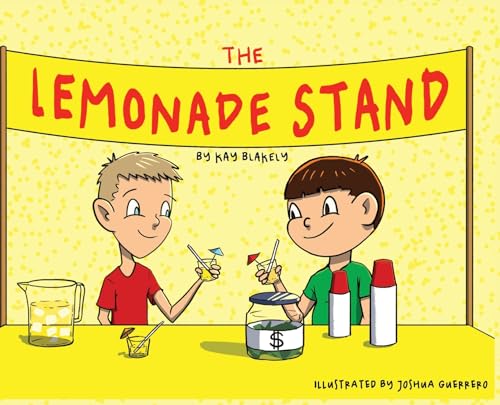
| The Lemonade Stand Kids (Series) | Lesson: The reality of running a small business, from pricing and marketing to managing profits. Benefit: Hands-on introduction to entrepreneurship and the concept of revenue minus expenses. |
| The $100 Start-Up | Lesson: You don’t need a huge investment to start a business you’re passionate about. Benefit: Great for inspiring the older end of this age group to think creatively about earning through side-hustles. |
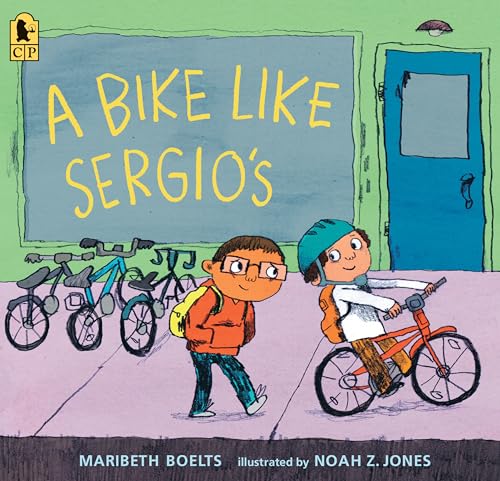
| A Bike Like Sergio’s (Addition) | Lesson: The complexity of finding money and making moral choices about how to use it. Benefit: Promotes conversations about ethics, honesty, and the value of things. |
| The Magic School Bus Gets Loaded with Money | Lesson: Uses fun, illustrated learning to explain economic concepts like supply, demand, and how banks work. Benefit: Makes complex economics entertaining and easy to visualize. |


For Teenagers (Ages 13-18): Preparing for Adulthood
These books provide the crucial context and actionable advice teenagers need as they prepare for college, their first big jobs, and managing their own finances as independent adults.
| Book Title | Core Lesson & Benefit |
| Rich Dad Poor Dad | Lesson: The difference between assets and liabilities and the mindset required to build wealth. Benefit: Challenges the traditional view of trading time for money and encourages thinking like an investor. |
| I Will Teach You to Be Rich | Lesson: A practical, no-guilt, six-week program focused on automating finances, setting up 401(k)s, and smart credit card use. Benefit: Provides a clear, actionable blueprint for young adults to organize their money without obsessing over lattes. |
| The Total Money Makeover | Lesson: The “Debt Snowball” method for paying off debt and the foundational steps of personal finance, like building an emergency fund. Benefit: Ideal for teens who are already starting to think about student loans or credit cards; teaches discipline and systematic goal-setting. |
| The Richest Man in Babylon | Lesson: Timeless parables detailing the core principles of wealth—saving a portion of earnings, controlling expenses, and making money work for you. Benefit: Teaches principles of saving and investing through compelling stories rather than dry instruction. |
| Broke Millennial Takes on Investing | Lesson: A modern, accessible guide to getting started with investing, demystifying stocks, index funds, and brokerage accounts. Benefit: Specifically targets the young adult audience, breaking down jargon and easing anxiety about starting to invest early. |
| Your Money or Your Life (Addition) | Lesson: Teaches readers to calculate their “real hourly wage” and rethink the relationship between money, time, and life fulfillment. Benefit: Excellent for career-minded teens, encouraging them to align their spending with their deepest values. |


Tips for Using Books as a Financial Tool
Reading the book is just the first step. To maximize the learning and growth, incorporate these tips:
- Read Together and Discuss: Don’t just hand them the book. Read it with them and ask open-ended questions like, “What would you have done with that money?” or “Why do you think the main character made that choice?”
- Relate the Story to Real Life: If a book talks about budgeting, bring up your family’s recent grocery trip or the money you’re saving for a vacation. Show them that these concepts aren’t just in books—they’re real.
- Encourage “Try-It” Projects: After reading a book on entrepreneurship, help them set up a small venture, like a lemonade stand or selling their old toys. This turns the theoretical lesson into a tangible learning experience.
- Connect to Goals: If they are saving for a new video game or trip, use the lessons from the books to help them stay motivated and track their progress.
Conclusion: An Investment That Pays Dividends
Teaching your child about money is arguably one of the most significant investments you can make in their future. By simply opening a book, you are laying the groundwork for a lifetime of confidence, responsibility, and financial security.
Ready to provide your kids with a structured system to put these lessons into practice? The Allowance Blueprint offers an easy-to-use kit with templates for chore charts, budgets, and savings planners to bring financial concepts to life.
Click here to learn more about The Allowance Blueprint and start building your child’s financial future today!