
Disclosure: This post may contain affiliate links, which means I may receive a commission if you make a purchase through these links at no extra cost to you.
When we think of a playroom, our minds often go to a colourful space filled with toys. But a truly great playroom is more than just a place to store stuff. It’s a thoughtfully designed environment that encourages and supports your child’s natural development. By selecting the right items, you can create a space that fosters everything from physical strength to emotional intelligence.
In our home we see the incredible benefits of open-ended and purposeful play. Let’s explore some key items to include in your playroom and the wonderful skills they help build.
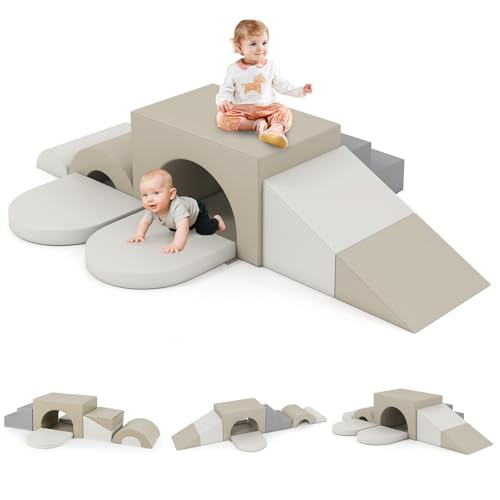
The Climbing Frame: Building Gross Motor Skills & Confidence

A climbing frame, whether a full-sized outdoor one or a smaller indoor Pikler triangle, is an absolute game-changer for physical development.
- Gross Motor Skills: Climbing, swinging, and hanging are fantastic for developing large muscle groups, improving balance, coordination, and agility. It’s a full-body workout disguised as fun!
- Problem-Solving & Spatial Awareness: Kids must assess their movements, plan their route, and navigate the structure. This encourages decision-making and helps them understand their body’s position in space.
- Confidence & Independence: Each climb conquered and obstacle overcome builds a child’s self-esteem and resilience. They learn to push their limits in a safe and supportive environment.
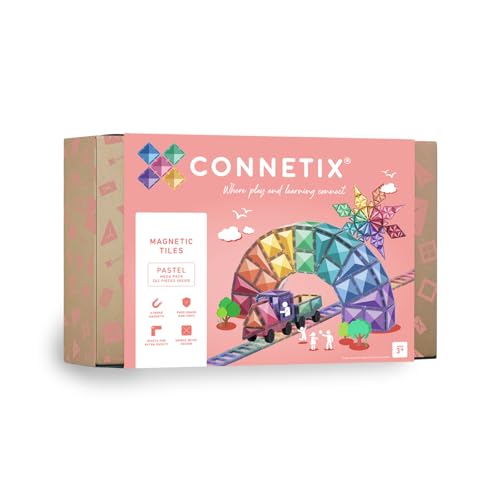
Connetix Tiles: The Power of Open-Ended Play
These magnetic tiles are more than just a building toy; they are a blank canvas for a child’s imagination.
- Fine Motor Skills: Connecting and manipulating the tiles strengthens the small muscles in a child’s hands and fingers, which are crucial for tasks like writing and buttoning
- Mathematical & Scientific Concepts: Children explore shapes, patterns, symmetry, and even basic engineering principles as they build towers, houses, and ball runs. They learn about stability, weight, and cause and effect through hands-on experimentation.
- Creativity & Imagination: With no pre-set rules or instructions, Connetix tiles encourage endless creative expression. They can be a castle one day and a rocket ship the next!


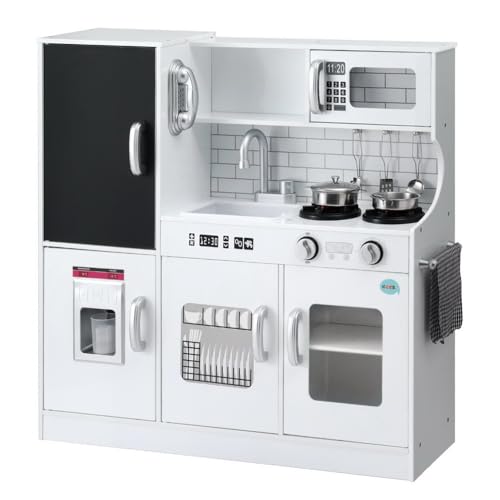
The Play Kitchen & Pretend Play: Fostering Social & Emotional Skills
A play kitchen and a dress-up box are cornerstones of imaginative play, a vital component of child development.
- Social Skills: When children play together in a kitchen, they learn to share, take turns, and cooperate. They negotiate roles and communicate their ideas, all of which are essential social building blocks.
- Emotional Regulation: Pretend play provides a safe space for children to act out and process emotions and real-life scenarios. They can become a “brave firefighter” or a “caring doctor,” exploring different roles and feelings.
- Literacy & Communication: They narrate their play, creating stories and dialogues. This helps build vocabulary, communication skills, and the ability to express themselves.


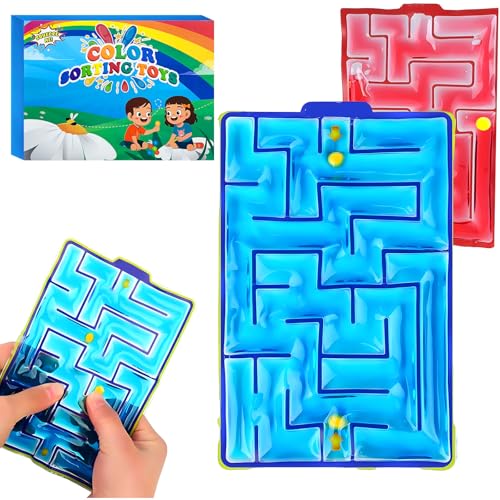
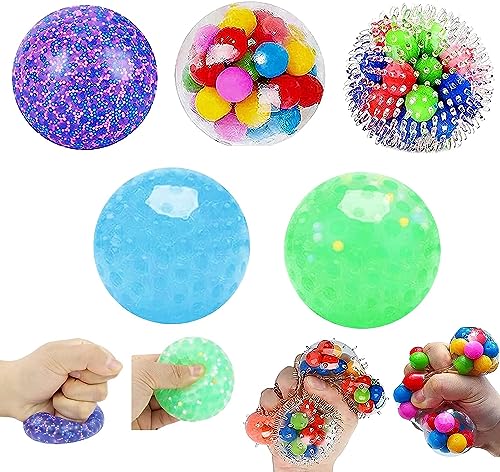
Sensory Play Kits: Engaging the Senses for Self-Regulation
Sensory kits, filled with items like kinetic sand, playdough, and other textural materials, are a powerful tool for development.
- Emotional Regulation: The tactile experience of kneading playdough or sifting kinetic sand can be incredibly calming. It provides a positive outlet for big feelings and helps children self-regulate.
- Fine Motor Skills: Squishing, rolling, pinching, and cutting with these materials all strengthen hand muscles and improve dexterity.
- Cognitive Development: Sensory play stimulates multiple senses, helping children make new neural connections and understand the world around them. They learn through touch, sight, and even smell.


In Conclusion
Disclosure: This post may contain affiliate links, which means I may receive a commission if you make a purchase through these links at no extra cost to you.
A playroom should be a hub of discovery and growth. By curating a collection of items that support different areas of development—from the gross motor skills built on a climbing frame to the fine motor skills honed with Connetix tiles and sensory kits—you’re providing your child with the tools they need to learn and thrive. Add in the social and emotional richness of a play kitchen and pretend play, and you have a space that is not only fun but also a powerful engine for their development.
Happy playing! What are your favourite items to have in your child’s playroom? Share your ideas in the comments below!