
Teaching Kids Financial Security Starts Earlier Than You Think
Most parents teach their children about saving money, spending wisely, and perhaps even budgeting. But one of the most important money lessons often gets overlooked:
What happens when something goes wrong?
Life is full of surprises. A flat tyre, a broken phone, unexpected medical costs, job loss, or emergency travel expenses can quickly turn into financial stress when there isn’t money set aside.
That’s why teaching your child about an emergency fund while they’re still living at home can be one of the greatest financial gifts you ever give them.
By helping children and teenagers understand emergency savings early, you’re preparing them to handle life’s challenges with confidence instead of panic.
What Is an Emergency Fund?

An emergency fund is money that is set aside specifically for unexpected expenses.
It’s not money for shopping, entertainment, holidays, or impulse purchases.
Instead, it’s a financial safety net used when something important happens that wasn’t planned for.
Kid-Friendly Definition
An emergency fund is money saved for life’s “uh-oh” moments.
Think of it like a spare umbrella. You don’t need it every day, but when it starts raining, you’ll be glad you have it.
Why Kids Should Learn About Emergency Funds Early
Many adults only learn the importance of emergency savings after experiencing financial hardship.
Teaching children early helps them build healthy money habits before they face real-world responsibilities.
1. It Builds Financial Confidence
Children who understand emergency savings learn that money isn’t just for spending.
They discover that money can also provide security and peace of mind.
When a child knows they have savings available if something unexpected happens, they begin developing financial confidence and independence.
2. It Reduces Financial Stress Later
Many young adults move out without any emergency savings.
As a result, unexpected expenses often lead to:
- Credit card debt
- Personal loans
- Borrowing from family
- Financial anxiety
Teaching emergency funds before adulthood helps create a strong financial foundation that can prevent these problems.
3. It Encourages Long-Term Thinking
Kids naturally focus on the present.
An emergency fund teaches them to think ahead and plan for future possibilities.
This skill extends beyond money and helps develop responsibility, patience, and problem-solving abilities.
4. It Teaches the Difference Between Wants and Needs
One of the biggest financial literacy lessons children can learn is understanding priorities.
When they build an emergency fund, they begin asking questions such as:
- Do I really need this?
- Should I save some money first?
- What if something important comes up later?
These thought processes are essential for making wise financial decisions throughout life.
Why Teens Need an Emergency Fund Before Moving Out
Moving out is exciting, but it also comes with many financial surprises.
A teenager entering adulthood may face:
- Car repairs
- Bond and rental costs
- Medical expenses
- Unexpected bills
- Reduced work hours
- University expenses
- Technology replacements
Without emergency savings, even small setbacks can become major financial challenges.
Real-Life Example
Imagine two young adults move out with identical incomes.
Teen A
- Has $1,000 in emergency savings.
- Car battery dies unexpectedly.
- Pays cash from emergency fund.
- Continues life without debt.
Teen B
- Has no emergency savings.
- Car battery dies unexpectedly.
- Uses a credit card.
- Pays interest for months afterward.
The difference isn’t income.
The difference is preparation.
How Much Should Kids Save?
The goal depends on age.
Ages 5–9
Focus on understanding the concept rather than a specific amount.
Encourage children to set aside a small portion of money received from:
- Pocket money
- Gifts
- Chores
- Small earnings
Ages 10–14
Introduce a dedicated emergency savings category.
A simple goal could be:
$50–$200 Emergency Fund
This helps children learn consistency and discipline.
Ages 15–18
As teenagers begin earning larger amounts, encourage more substantial goals.
Examples:
- First $250 emergency fund
- First $500 emergency fund
- First $1,000 emergency fund
These milestones prepare them for adult financial responsibilities.
How Parents Can Teach Emergency Funds at Home
Use Three Savings Buckets
Teach children to divide money into:
💰 Spending
🎯 Savings Goals
🛟 Emergency Fund
This simple system makes saving easier to understand and manage.
Talk About Real-Life Emergencies
When age appropriate, discuss unexpected expenses you encounter as a family.
Examples:
- Car repairs
- Veterinary bills
- Appliance replacements
Explain how savings helped solve the problem.
This shows children that emergency funds are practical, not theoretical.
Celebrate Progress
Building an emergency fund takes patience.
Celebrate milestones such as:
- First $20 saved
- First $50 saved
- First $100 saved
- First emergency fund goal reached
Positive reinforcement encourages lifelong saving habits.
Model Good Financial Behaviour
Children learn most by watching.
If they see parents planning ahead, saving regularly, and preparing for emergencies, they’re more likely to develop the same habits.
Emergency Funds and Financial Literacy
Emergency savings connect many important money concepts, including:
- Budgeting
- Saving
- Delayed gratification
- Financial responsibility
- Goal setting
- Risk management
- Financial independence
That’s why emergency funds are one of the most valuable financial literacy lessons parents can teach.
The Bigger Lesson
An emergency fund isn’t really about money.
It’s about preparation.
It’s about teaching children that unexpected challenges happen—and that they have the power to prepare for them.
When kids learn to build an emergency fund while living at home, they enter adulthood with something many people never develop:
Financial resilience.
And that may be one of the greatest gifts a parent can give.
Ready to Help Your Child Build Strong Money Habits?
Start by teaching the foundations:
✅ Saving
✅ Budgeting
✅ Goal Setting
✅ Emergency Funds
✅ Smart Spending
For families ready to take the next step, explore the Family Payday Agreement Kit and Allowance Tracker to help children practice real-world money management at home.
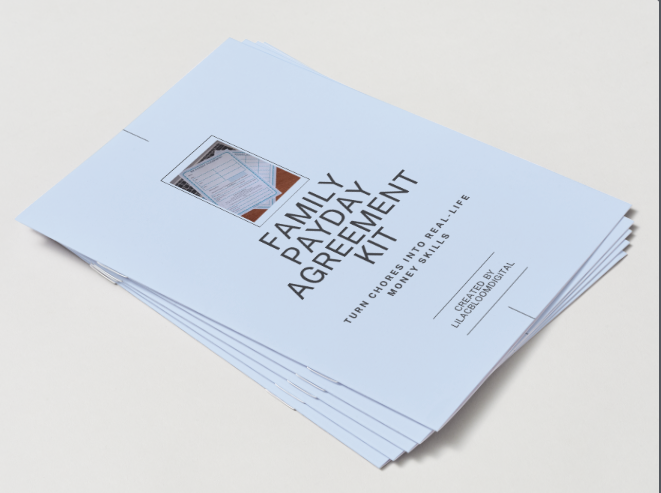
Family Payday Agreement Kit
Limited offer — discounted access available for a short time only. Once spots are filled, the price increases. Start your child’s financial literacy journey today.
Turn everyday chores into real-life money skills with the Family Payday Agreement Kit. This simple, printable system helps kids earn, save, and manage money while building responsibility — without nagging or arguments.