
Disclosure: This post may contain affiliate links, which means I may receive a commission if you make a purchase through these links at no extra cost to you.
In a world filled with screens, the humble board game remains a champion for family fun and developmental growth. More than just a way to pass the time, board games offer a fantastic opportunity for kids to learn crucial life skills, often without even realizing it! From our lovely family home, we’ve seen first-hand the magic that unfolds when our little family gathers around a table for some friendly competition.
Let’s dive into some of the best board games for kids, highlighting the incredible skills they can pick up along the way, grouped by age appropriateness.
Little Learners (Ages 3-6): Foundation Fun

For our youngest players, the focus is on simple rules, bright colours, and developing basic cognitive and social skills.
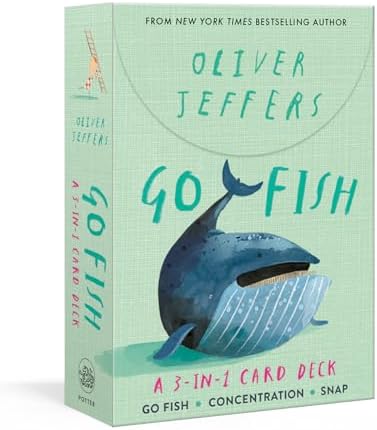
- Snap: This fast-paced classic is perfect for developing quick reflexes and pattern recognition. It’s also great for understanding the concept of matching.
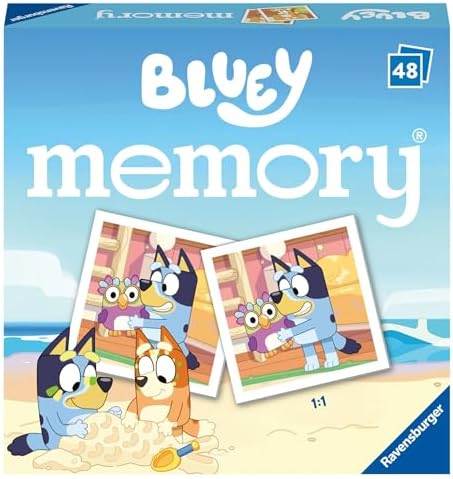
- Memory (Concentration): A brilliant game for enhancing memory recall, focus, and concentration. Kids learn patience as they wait their turn and strategise where to find pairs.
- Junior Games (e.g., Candyland, Orchard Toys games): Many brands offer excellent entry-level games that teach colour recognition, counting, and following simple instructions. They’re fantastic for introducing the idea of taking turns and playing cooperatively.

Primary Players (Ages 6-10): Skill Building & Strategic Steps
As kids grow, they can handle more complex rules and start to engage in early strategic thinking.
- Uno: A vibrant card game that’s a staple for a reason! It’s fantastic for colour and number recognition, early strategic thinking (deciding when to play a special card), and developing social skills like turn-taking and good sportsmanship.
- Connect Four: Easy to learn but offers surprising depth. This strategic two-player game is excellent for problem-solving (thinking ahead to block opponents) and spatial reasoning.
- Guess Who?: A fantastic game for developing deductive reasoning and communication skills. Kids learn to formulate clear questions and eliminate possibilities logically.
- Monopoly Junior: A simplified version of the classic, perfect for introducing basic financial literacy. Kids learn about buying, selling, and managing simple transactions without the longer playtime of the original.
- Zingo!: Like Bingo but with pictures and words, great for early readers and word recognition, boosting literacy in a fun, engaging way.

Terrific Tweens & Teens (Ages 10+): Deeper Strategy & Complex Connections
For older children and teenagers, games can offer significant strategic depth, complex problem-solving, and opportunities for advanced social interaction.
- Scrabble: A brilliant way to enhance literacy skills! Players build words, expand vocabulary, and understand spelling patterns. It’s also great for mathematical skills when calculating scores.
- Monopoly (Classic): While it can be a long one, Monopoly is a masterclass in financial literacy, negotiation, and long-term strategic planning. It really challenges players to manage assets and adapt to changing circumstances.
- Ticket to Ride (Original or Europe): This popular game introduces route planning, strategic decision-making, and mild competitive negotiation. It’s fantastic for geographical awareness and forward-thinking.
- Catan (The Settlers of Catan): A brilliant game for resource management, negotiation, and strategic expansion. It teaches players about supply and demand, trade, and adapting plans on the fly.
- Sushi Go! / Sushi Go Party!: A fast-paced card-drafting game that teaches strategic decision-making, probability assessment, and adapting to what other players are doing around the table.
- King of Tokyo: A fun, dice-rolling monster bash that introduces probability, risk assessment, and quick tactical decisions in an exciting, often hilarious, way.
The Life Skills Advantage: More Than Just Fun
It’s clear that board games offer a rich learning environment. Here’s a quick recap of the essential life skills kids can develop:
- Social Skills: Taking turns, sharing, communicating clearly, good sportsmanship (winning and losing gracefully!), patience, and understanding different perspectives.
- Problem Solving: Strategizing, planning, adapting to unexpected outcomes, critical thinking, and logical deduction.
- Literacy: Reading rules, recognizing words, spelling, expanding vocabulary, and understanding instructions.
- Mathematical Skills: Counting, adding, subtracting, understanding probability, financial literacy (money management, value, budgeting), and pattern recognition.
- Conflict Resolution: Negotiating, compromising, managing frustration, and dealing with competitive situations constructively.
- Focus & Concentration: Staying engaged and attentive for the duration of the game, filtering out distractions.
So, next time you’re looking for a fun activity, switch off the screens and gather around the table for some board game magic. You’ll not only create lasting memories but also empower your children with valuable skills that will serve them well throughout their lives, right here in the home and beyond!
What are your family’s favourite board games across different age groups? Share your recommendations in the comments below!