Disclosure: This post may contain affiliate links, which means I may receive a commission if you make a purchase through these links at no extra cost to you.
Teaching our children essential life skills is one of the most important jobs we have as parents. While we focus on academic subjects, it’s the development of skills like emotional regulation, social awareness, and physical coordination that truly prepares them for a confident, independent, and successful future. These skills aren’t just for navigating daily tasks; they are deeply linked to a child’s overall development, from their physical body to their brain and their ability to form meaningful relationships.
This guide will break down some of the most crucial life skills, explain how they relate to child development, and provide practical tools and activities to help your child thrive.
Gross Motor Skills: The Foundation of Movement

Gross motor skills are the abilities that use the large muscles of the body for big movements. Think of activities like walking, running, jumping, and climbing. These skills are essential for physical fitness, coordination, and balance.
How They Link to Development: The development of gross motor skills begins in infancy and continues throughout childhood. They are the building blocks for more complex movements and even support the development of fine motor skills. For a baby, “tummy time” is a foundational gross motor activity that builds the core strength needed to eventually sit up, crawl, and walk. For older children, these skills allow them to engage in physical play, which is crucial for social interaction and teamwork.
Tools and Activities to Help:
- Outdoor Play: Encourage running, jumping, climbing on playground equipment, and riding a bike or scooter.
- Obstacle Courses: Create a simple obstacle course using pillows, blankets, and furniture to encourage crawling, climbing, and jumping.
- Ball Games: Playing with a ball, whether it’s throwing, catching, or kicking, helps improve hand-eye and foot-eye coordination.

Fine Motor Skills: Precision and Control
Fine motor skills involve the smaller muscles, particularly those in the hands and fingers. These are the skills needed for precise, intricate movements like writing, drawing, using utensils, and buttoning a shirt.
How They Link to Development: Fine motor development is a key indicator of a child’s readiness for school and independence. The ability to use a pincer grasp to pick up a cheerio or a crayon is a milestone that paves the way for a child’s self-feeding, dressing, and eventual ability to write. These skills are crucial for building confidence and a sense of independence in daily tasks.
Tools and Activities to Help:
- Arts and Crafts: Activities like drawing, painting, cutting with child-safe scissors, and rolling playdough strengthen hand muscles.
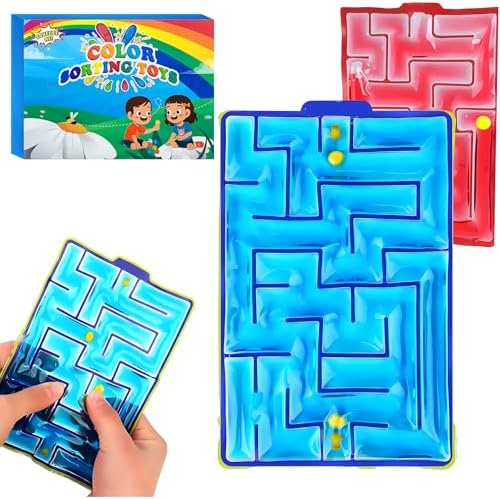
- Puzzles and Blocks: Manipulating puzzle pieces and stacking blocks or LEGOs helps develop hand-eye coordination and spatial reasoning.
- Practical Life Skills: Involve your child in everyday tasks like zipping a jacket, buttoning a shirt, or helping to set the table, which all require fine motor control.

Social Skills: Navigating Relationships
Social skills are the abilities that allow children to interact effectively with others. This includes things like sharing, taking turns, communicating clearly, and understanding social cues.
How They Link to Development: Social development starts early. As children interact with peers and adults, they learn how to form friendships, resolve conflicts, and work as a team. Pretend play is a critical aspect of this development, as it allows children to practice taking on different roles and understanding various perspectives, which builds language and problem-solving skills.
Tools and Activities to Help:
- Structured Playdates: Facilitate play with other children and gently coach them on concepts like sharing and turn-taking.
- Role-Playing: Use role-playing games to practice social scenarios, such as how to ask a friend to play or how to respond when a friend is sad.
- Cooperative Games: Board games or card games that require teamwork rather than competition can foster a spirit of collaboration.
Emotional Regulation: Managing Big Feelings
Emotional regulation is a child’s ability to understand and manage their own emotions and reactions to situations. This is a complex skill that involves recognizing feelings, calming down, and expressing emotions in a healthy way.
How They Link to Development: Emotional regulation is a key component of a child’s social-emotional development. When a child feels safe and secure, their brain is better able to process new information and learn new skills. A strong, trusting relationship with a caregiver is the foundation for this skill, as children learn to co-regulate with their parents before they can self-regulate. When children can name their emotions and develop strategies to manage them, they are more likely to be motivated, engaged in learning, and able to handle challenges.
Tools and Activities to Help:
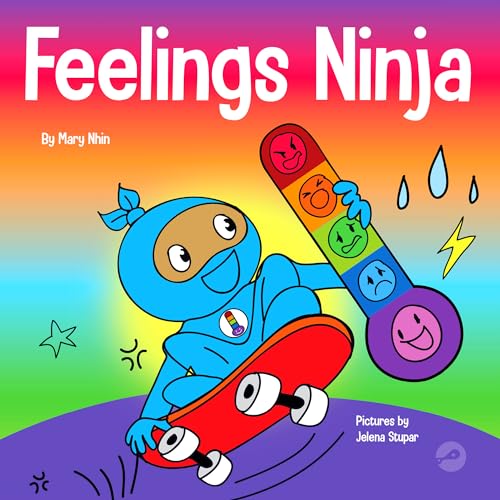
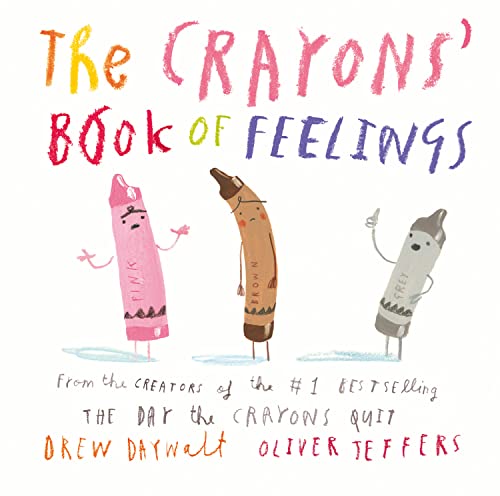
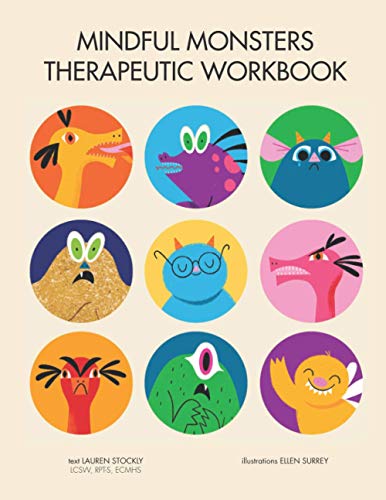
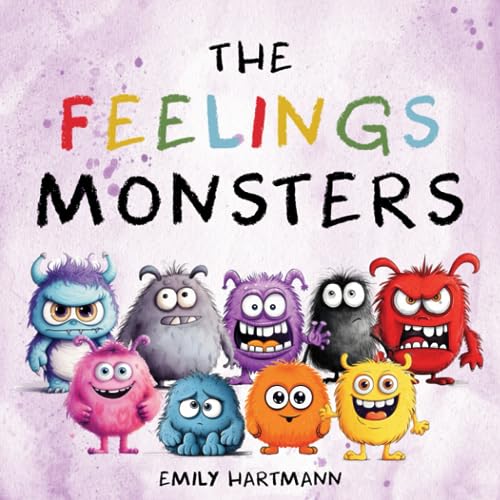
- “Feelings” Books: Read stories about characters experiencing different emotions and discuss how they might be feeling.
- Calm-Down Corner: Create a designated quiet space with comforting items like soft blankets, pillows, and sensory toys for your child to go to when they feel overwhelmed.
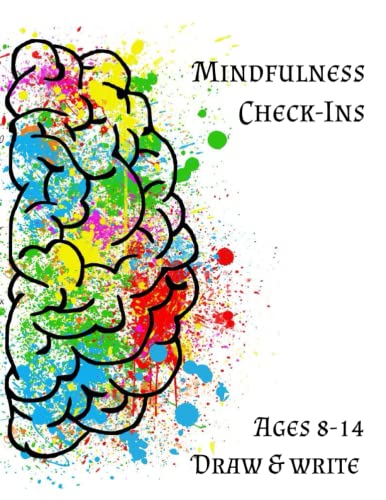
- Emotional Check-ins: Use a simple chart or drawing to have your child identify how they are feeling throughout the day. Help them put their feelings into words, such as, “I see you’re angry because you wanted to play with that toy.”