📣 Affiliate Disclaimer
Please note that some of the links in this blog post are affiliate links. This means that, at no additional cost to you, I may earn a commission if you click through and make a purchase. I only recommend products and services that I believe will be beneficial to my readers.
We all know the saying, “Money doesn’t grow on trees.” But do our kids really understand what that means? As parents, one of the most crucial tools we can equip our children with is the ability to understand and manage money. This all starts with a budget.
What is a Budget and Why is it Essential?

Simply put, a budget is a plan for your money. It’s a roadmap that shows where your income goes, whether it’s toward necessities, savings, or treats. It’s not about restriction; it’s about control and awareness.
While everyone manages their money differently, the key is finding a money management system that works. Using a system to support the budget is essential because it gives every dollar a job.
The 4-Jar Money Management System
For young learners, a simple, visual, and tangible system makes abstract financial concepts concrete. We’ve found the 4-Jar Money Management System to be incredibly effective for teaching different aspects of money:
- Spending: This jar is for everyday purchases, like toys or treats.
- Savings: This jar is for long-term goals, like a bigger toy or a future experience.
- Giving: This jar is for charitable donations or gifts for others, teaching the importance of generosity.
- Tax/Shares: For older children, this can introduce the concept of taxes or even investing. For younger kids, this can be a small portion that goes to a bigger family goal, or a “parent fund” to introduce the concept that not all money is for them to keep.
This system, inspired by the “Barefoot Investor” jam jar method, works wonderfully for young kids because they can physically see the money and count it.
Why Teach Kids About Budgeting Early?
The transition to adulthood is a financial minefield for many, and a lack of understanding can lead to debt and financial instability. Learning about budgeting early can help kids avoid common pitfalls like overspending and financial stress. Here are the key benefits of this early investment:
- Building Financial Literacy: Understanding money management is a fundamental life skill. It empowers kids to make informed decisions.
- Developing Responsibility: Budgeting teaches kids about delayed gratification, planning, and the consequences of their spending choices.
- Preventing Debt: Early exposure to budgeting can help kids avoid accumulating debt in the future and empowers them to make smart choices.
- Setting Future Goals: Budgeting helps kids understand how to save for things they want, which builds a foundation for a stable financial future.
🔥 Level Up Their Success: Grab Your Simple Guide to the 4-Jar System!
Are you ready to stop impulse spending and instill lifelong financial confidence in your child?
My simple guide, “Your Simple Guide to the 4-Jar Money Management System,” walks you through implementing this visual and effective system. This guide provides the practical steps you need to make saving and budgeting fun and concrete for your child!
Click here to download the 4-Jar Guide and start building their financial foundation today!
📚 Recommended Books for Budding Budgeters
It is important to remember that all kids learn at different paces, and to be patient with them as they are learning very valuable lessons. By starting early and making it fun, we can help our kids develop healthy financial habits that will serve them well throughout their lives.
For Younger Kids:
- “Alexander, Who Used to Be Rich Last Sunday” by Judith Viorst: A classic story about the ups and downs of spending.
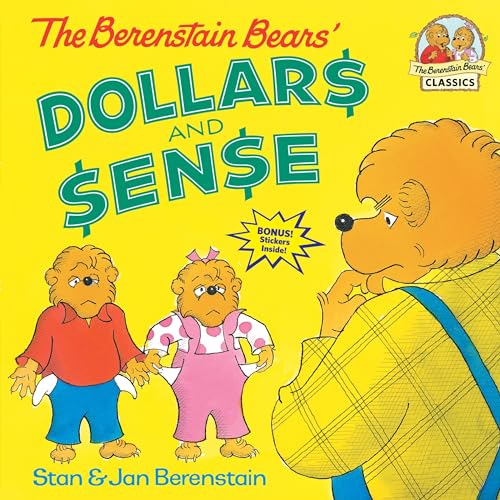
- “The Berenstain Bears’ Dollars and Sense” by Stan and Jan Berenstain: A great introduction to basic money concepts.
- Barefoot Kids by Scott Pape: An engaging book written directly for kids that takes them on a money adventure with fun projects and real-life stories.


For Teenagers and Young Adults:
- “The Barefoot Investor for Families” by Scott Pape (Australian): A practical and engaging guide to managing money, tailored for Australian families.
- “Rich Dad Poor Dad for Teens” by Robert Kiyosaki: Introduces key financial concepts and the importance of financial literacy.
- She’s on the Money by Victoria Devine: The ultimate millennial money guide, perfect for young women starting their financial journey with relatable, non-judgmental advice.
- Sort Out Your Money by Glen James: Practical advice for young adults looking to get their finances in order, budgeting, and starting their investment journey.
- The Psychology of Money by Morgan Housel: A collection of short stories exploring the often-overlooked role of psychology, behaviour, and luck in financial success.