
Disclosure: This post may contain affiliate links, which means I may receive a commission if you make a purchase through these links at no extra cost to you.
We often think of financial success as a matter of numbers: income, debt, or investments. However, research suggests that financial success is often 80% psychology and 20% mechanics. The way you approach challenges, learn from mistakes, and view your own abilities—your Money Mindset—plays a far more significant role than your income.
Let’s explore the difference between a Fixed and Growth Mindset and, crucially, why cultivating the right one is your child’s most valuable financial lesson.
📘 Definitions: Fixed Mindset vs. Growth Mindset

The table below outlines the core beliefs and behaviours of each mindset, especially as they relate to financial health.
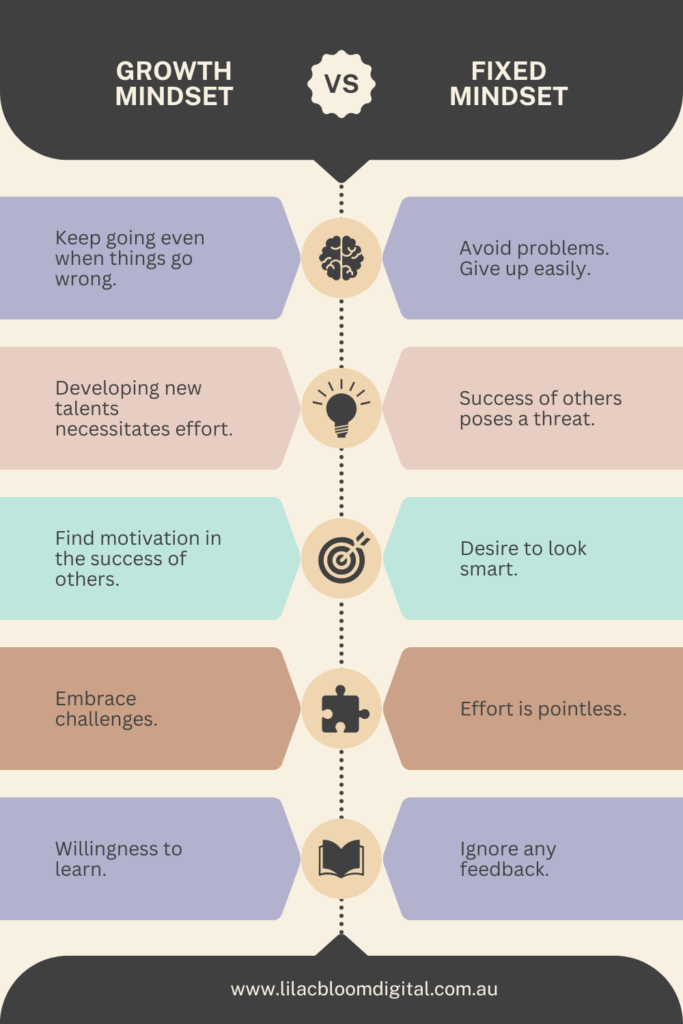
🛑 The Fixed Mindset: A Financial Limit
A fixed mindset believes that intelligence, talents, and abilities are static. When it comes to money, a fixed mindset acts as a powerful brake on progress.
How the Fixed Mindset Blocks Financial Success
🌱 The Growth Mindset: The Financial Launchpad
A growth mindset is the belief that abilities and intelligence can be developed through dedication, strategic effort, and hard work. People with this mindset view failure not as a roadblock, but as a necessary form of feedback.
How the Growth Mindset Fuels Financial Success
🎯 The Critical Window: Why Mindset Matters for Kids
You, the parent, are in complete control of when and how financial concepts are taught, and your biggest lesson should be the Growth Mindset.
The years before age 12 are the critical window for setting financial habits that last a lifetime .
Why is Mindset Essential for Children?
- Setting the Psychology of Money: Financial well-being is heavily influenced by how we behave around money, not just what we know. Teaching the Growth Mindset early establishes the psychology that makes them resilient to financial failures.
- Failing Forward with Money: When a child overspends their allowance or forgets to save, a parent with a Growth Mindset says, “That’s okay. What did we learn from that mistake?” This teaches the child that financial setbacks are temporary and that their ability to manage money is developable.
- Linking Effort to Achievement: The Growth Mindset reinforces the core idea of effort: If they work hard at their chores, they earn more. If they work hard at saving, their money grows (compounding). This simple connection builds intrinsic motivation.
🌱 Cultivating a Financial Growth Mindset
You can actively help your child shift from a limited Fixed Mindset to an empowering Growth Mindset with these simple strategies:
- Recognize the Triggers: Help your child identify when they use fixed language: “I can’t,” “I’m bad at,” or “It’s too hard.”
- Replace “Can’t” with “YET”: Teach them to rephrase statements. Instead of “I can’t save $100,” say, “I can’t save $100 yet.” This simple word implies future potential.
- Praise the Effort, Not the Outcome: When they attempt a complex task (like budgeting their allowance) or recover from a savings setback, praise the effort and the learning, not just the successful result.
- Embrace Challenges as Learning: If they choose the more expensive item during a “Smart Shopper” challenge, don’t criticize. Instead, ask, “What did we learn about the value of money from that decision?”
- Seek Learning Opportunities: Make financial education a family activity. This could involve reading books together or using structured resources.
📚 Recommended Reading for Adults (Mindset & Finance)
Building a Growth Mindset:
- “Mindset: The New Psychology of Success” by Carol S. Dweck
- “Grit: The Power of Passion and Perseverance” by Angela Duckworth
Financial Literacy:
- “The Total Money Makeover” by Dave Ramsey
- “Rich Dad Poor Dad” by Robert Kiyosaki
- “I Will Teach You to Be Rich” by Ramit Sethi





🚀 Starting Young: Instilling the Growth Mindset
For those starting their children on their financial journey, you need a blueprint that goes beyond simple allowance rules. You need a way to teach them the Growth Mindset behind the numbers.
I highly recommend the “Saving Seed Money Blueprint” for 5-12-year-olds. It’s a wonderful resource designed to instill the basic fundamentals of money management early on, specifically focusing on the four key areas of Earning, Spending, Saving, and Growing money.
Your Financial Journey Starts with Your Mindset
Remember, your financial future is not predetermined. By cultivating a growth mindset, you can unlock your potential and achieve your financial goals. Start today by challenging your limiting beliefs and embracing the power of learning and growth.