
We all want our kids to succeed, but sometimes, our well-intentioned words and actions can inadvertently hinder their potential. One of the most powerful concepts in education and personal development is the “growth mindset,” and it’s something every parent should understand. This post explores why fostering a growth mindset in kids is crucial and how a fixed mindset can impact their adult lives.
What is a Growth Mindset?

Coined by Carol Dweck, a growth mindset is the belief that abilities and intelligence can be developed through dedication, hard work, and learning from mistakes. Kids with a growth mindset embrace challenges, persevere through difficulties, and view failure as an opportunity for growth. They understand that effort is the path to mastery.
What is a Fixed Mindset?
The opposite of a growth mindset is a fixed mindset. Kids with a fixed mindset believe that their abilities and intelligence are static – they’re either good at something or they’re not. They tend to avoid challenges for fear of failure, give up easily when things get tough, and see effort as fruitless. They may also feel threatened by the success of others.
Why a Growth Mindset Matters for Kids:
- Increased Resilience: Kids with a growth mindset are more likely to bounce back from setbacks. They see failure as a temporary learning opportunity, not a reflection of their inherent abilities.
- Greater Motivation: When kids believe they can improve, they’re more motivated to put in the effort. They’re not afraid of making mistakes, so they’re more likely to persevere.
- Higher Achievement: Studies show that kids with a growth mindset achieve more academically. They’re more likely to take on challenging tasks and stick with them until they succeed.
- Stronger Self-Esteem: A growth mindset fosters a healthy sense of self-worth. Kids don’t base their self-esteem on their performance; they recognize that their value as a person isn’t tied to their successes or failures.
- Love of Learning: Kids with a growth mindset are genuinely excited about learning. They view challenges as opportunities to expand their knowledge and skills.
The Impact of a Fixed Mindset in Adulthood:
The mindset we develop in childhood often carries over into adulthood. Adults with a fixed mindset may:
- Fear Failure: They may avoid taking risks or pursuing new opportunities because they’re afraid of failing.
- Limit Their Potential: They may underestimate their abilities and fail to reach their full potential.
- Struggle with Setbacks: They may be easily discouraged by challenges and give up prematurely.
- Have Difficulty with Feedback: They may take feedback personally and see it as a criticism of their character, rather than an opportunity for improvement.
- Experience Increased Stress and Anxiety: The constant fear of failure can lead to chronic stress and anxiety.
The Role of Language in Mindset: The Power of “Yet”
The words we use as parents and educators are the most immediate tools we have for shaping a child’s internal narrative. A powerful technique championed by Carol Dweck is the strategic use of the word “yet.”
When a child says, “I can’t do this,” or “I’m not good at math,” they are speaking from a fixed mindset, creating a permanent, limiting label. Inserting the word “yet” instantly reframes that statement from a final declaration into a temporary status on a journey:
- Fixed Statement: “I can’t ride my bike.”
- Growth Reframe: “You can’t ride your bike yet. Let’s try practicing balancing for five more minutes.”
The Key Benefits of the “Yet” Principle:
- Normalizes Difficulty: It acknowledges that the task is hard right now, which is okay, but implies that effort will eventually lead to success.
- Focuses on the Process: It shifts the focus away from the outcome (failure) and toward the continuous process of learning and development.
- Builds Hope: The word holds a promise of future ability, sustaining hope and motivation even when a child feels frustrated.
Practical Parenting Scenarios: Applying the Growth Mindset
Understanding the theory is great, but applying it in real-time parenting moments is where the real change happens. Here’s how to handle three common situations with a growth mindset approach:
1. The Low Test Score Scenario
Your child comes home with a bad grade on a science test and is upset, saying, “I’m just stupid.”
| Fixed Mindset Response | Growth Mindset Response |
| “It’s okay, maybe science just isn’t your thing.” (This validates the fixed belief and creates an excuse.) | “I see you’re disappointed. Let’s look at this score as information. What did you study that worked well, and what did you study that we need a new strategy for? We haven’t mastered this yet.” (Focuses on strategy, effort, and process.) |
2. The Praise Dilemma
Your child finishes a simple drawing or completes a task they are already good at.
| Fixed Mindset Response | Growth Mindset Response |
| “Wow, that is the most beautiful drawing! You are such an amazing artist!” (Focuses on inherent talent, which makes them afraid to try hard things.) | “I notice how carefully you colored inside the lines, and I love the different shades of blue you chose! Your attention to detail is really impressive.” (Praises effort, choices, and strategy, giving them a formula for future success.) |
3. The Giving Up Moment
Your child gets frustrated trying to build a complex LEGO set or tie their shoes and throws the item down.
| Fixed Mindset Response | Growth Mindset Response |
| “If you can’t handle it, just leave it. I’ll do it later.” (Teaches them that struggle means quitting.) | “This looks really challenging! Tell me what you’ve tried so far. Remember, your brain grows strongest when you’re struggling. Let’s take a deep breath, and you can try that one difficult step one more time before we take a break.” (Validates the difficulty and encourages perseverance.) |
How to Cultivate a Growth Mindset in Kids:
- Praise Effort, Not Just Results: Focus on praising your child’s effort, hard work, and perseverance, rather than just their achievements. Instead of saying “You’re so smart!” try saying “I’m so impressed with how hard you worked on that!”
- Embrace Challenges: Encourage your child to step outside their comfort zone and take on challenges. Frame challenges as opportunities for growth and learning.
- View Failure as a Learning Opportunity: Help your child understand that everyone makes mistakes. Teach them to analyze their mistakes, learn from them, and try again.
- Use Growth-Oriented Language: Use phrases like “You’re not good at that yet” or “Let’s try a different strategy.” This reinforces the idea that abilities can be developed over time.
- Model a Growth Mindset: Show your child that you value learning and growth. Talk about your own challenges and how you’ve learned from your mistakes.
Recommended Reading
- For Parents:
- Mindset: The New Psychology of Success by Carol S. Dweck: The definitive book on growth mindset. A must-read for every parent.
- Grit: The Power of Passion and Perseverance by Angela Duckworth: Explores the importance of grit and resilience in achieving long-term goals.
- For Kids:
- The Dot by Peter H. Reynolds: A heartwarming story about a child who discovers her creativity and learns to embrace imperfection. (Ages 4-8)
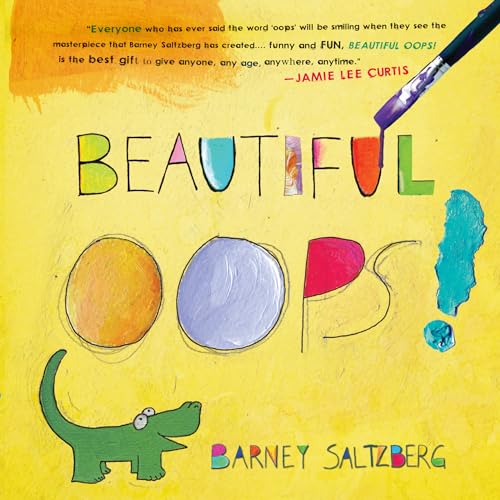
- Beautiful Oops! by Barney Saltzberg: Celebrates mistakes as opportunities for creativity and innovation. (Ages 4-8)
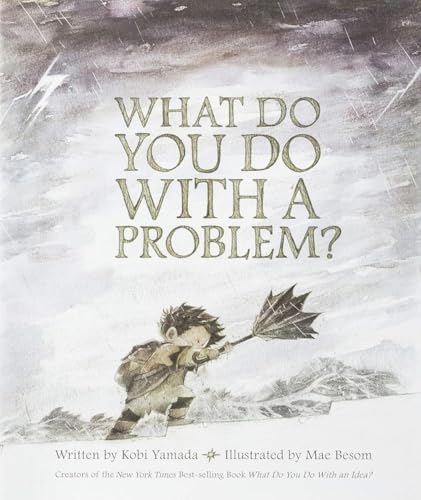
- What Do You Do With a Problem? by Kobi Yamada: Encourages children to face their problems with courage and curiosity. (Ages 5-9)
- Giraffes Can’t Dance by Giles Andreae: A story about a giraffe who learns to embrace his unique talents and overcome self-doubt. (Ages 4-8)



The Takeaway
Planting the seeds of a growth mindset in your kids is one of the most valuable gifts you can give them. It will empower them to embrace challenges, persevere through difficulties, and reach their full potential. By fostering a growth mindset, you’re not just helping them succeed in school; you’re setting them up for a lifetime of learning, growth, and fulfillment.
What is one specific growth-oriented phrase you plan to start using with your child today? Share it in the comments below!