
Disclosure: This post may contain affiliate links, which means I may receive a commission if you make a purchase through these links at no extra cost to you.
Forget flashcards and lectures—budgeting can be a blast! Involving your kids in financial literacy from a young age sets them up for success. Here are 5 fun family activities that will have them learning valuable budgeting basics without even realizing it:
The Allowance Adventure

Turn allowance day into a budgeting bonanza! One of the most effective ways to do this is by creating a “Four-Jar Blueprint” for money management. Divide their allowance into four designated jars or envelopes: Spending, Savings, Giving, and Tax. This visual representation helps them understand where their money goes and introduces them to a more holistic view of finance.
- Ages 5-8: Use four clear jars so they can visually see the money grow. The Spending jar is for small, immediate purchases like a new toy or a lolly. The Savings jar is for a big, long-term goal, like a video game console. The Giving jar is for donating to a cause or a charity they care about, teaching generosity. The Tax jar is a fun way to introduce a real-world concept. Explain that this money goes towards family “services” like electricity for the TV or petrol for the car that takes them to school. At the end of the month, the family can “spend” the tax money together on a group activity, like a pizza night.
- Ages 9-12: Introduce percentages to the four-jar system. For example, they could put 50% in Spending, 20% in Savings, 10% in Giving, and 20% in the Tax jar. Use a simple ledger or notebook to track their money in each jar. This adds a layer of accountability and practice with basic math. The “Tax” jar can now fund things that directly benefit them, such as new board games or family movie streaming subscriptions.
- Ages 13-18: Transition from physical jars to a simple budgeting app or spreadsheet. The categories can become more detailed, such as “Clothes,” “Entertainment,” “Car/Future Savings,” and a “Giving” category for their favourite charity. The “Tax” jar concept can evolve into a discussion about actual income tax when they get their first part-time job. You can show them a mock pay slip and explain how a portion of their earnings is “taxed” to pay for public services, helping them prepare for adult financial responsibilities.
The Grocery Game Show
Planning meals is a great way to introduce budgeting concepts. Clip coupons together, browse weekly flyers, and create a shopping list within a set budget. Let your kids be “co-hosts” of a grocery game show, where they compare prices and find the best deals.
- Make it a real-life mission: Choose a family meal, like tacos or spaghetti bolognese, that you can budget for. Give your kids a pretend budget, say $30, for the ingredients.
- Teach them strategies: As you shop, point out key strategies. Compare the price of loose vegetables versus pre-packaged ones. Show them how to read the unit price (e.g., price per 100g) to see which item is the best value, even if the total price seems lower. Let them decide between a store-brand product and a name-brand one and talk about the pros and cons.
- Look for low-cost options: To stay on budget, teach them how to find creative alternatives. For example, show them how using lentils or beans instead of some of the meat in a bolognese can make the meal cheaper and just as delicious. Explain how buying seasonal produce is almost always more affordable.
The Lemonade Stand Challenge
This classic activity goes beyond summer fun! Set up a lemonade stand together and involve your kids in every step. Discuss ingredient costs, pricing per cup, and setting a profit goal. This hands-on experience teaches valuable lessons about income, expenses, and saving for a goal.
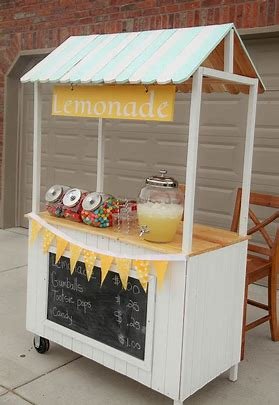
- Beyond the basics: Turn the lemonade stand into a full-scale business simulation. Discuss the total cost of materials, including lemons, sugar, water, ice, and cups. Talk about how to set a price per cup to not only cover costs but also make a profit.
- Marketing 101: Encourage your kids to create a marketing plan. This could include making colourful signs, creating a catchy name for their stand, and even offering a small “loyalty card” for repeat customers.
- Expand the menu: Teach them about upselling and adding new products. What other low-cost items could they sell? Could they bake cookies or brownies to sell alongside the lemonade? What about adding a different flavour, like strawberry or mint? Discuss how adding a new product affects their costs and potential profit.
- The “Charity” spin: Talk about the power of using a business for good. Let your kids choose a charity or cause they care about and dedicate a portion of their profits to it. This teaches them about the importance of giving back to the community and can be a powerful motivator.
The Coin Carnival
This is perfect for younger children. Gather different denominations of coins and create a fun sorting game. Use coloured construction paper to make categories like “Savings,” “Needs,” and “Wants.” Let them sort the coins and discuss the value of each one.
- Ages 5-8: Start with the basics of coin recognition. Give them a pile of Australian coins (5c, 10c, 20c, 50c, $1, $2) and have them sort them by size, colour, and the animal on the back. Discuss the value of each coin and how they are not related to their size (e.g., the 50c coin is bigger but worth less than the $1 coin). Make it a game: “Can you find a coin with a platypus on it? How much is it worth?”
- Ages 9-12: Move on to a “mini-shop” or cafe. Assign prices to items around the house or use play food (e.g., “This apple is 50c,” “A carton of milk is $1.20”). Give your child a set amount of coins (e.g., $5) and a shopping list. They have to “buy” the items and calculate the total, making sure they have enough money and even giving you back “change” if you pay with a larger denomination.
- Adding a wants vs. needs element: The shopping list can include both needs (bread, milk) and wants (a toy car, a chocolate bar). If the total is over budget, they have to decide which items they can’t afford, which teaches them about making choices and prioritising spending
The Movie Night Mission
Planning a family movie night? Put a budgeting spin on it!
Option A: The Theatre Experience

Give your kids a pretend budget for snacks and drinks. Challenge them to find the best deals on popcorn, candy, and juice within their budget. They’ll learn about decision-making and making the most of their “money.”
Option B: The Home Movie Event
Create a home movie event where your kids are in charge of the entire production—including the budget! Set a budget for the entire night, including snacks, drinks, and even a fun “ticket” for entry. They will have to make choices and trade-offs. Should they buy gourmet popcorn kernels to pop at home, or pre-bagged popcorn? Should they buy a variety of candy bars, or get a large bag of lollies to share? This hands-on experience teaches them to allocate resources, compare prices, and stay within a set financial limit for a desired outcome.
Bonus Tip: Looking for extra resources? Check out The Saving Seed Money Workbook for Kids, a fun and interactive way for them to learn about saving, spending, and making smart financial choices. This workbook, along with these activities, will make budgeting a family adventure!
Remember, the key is to keep it light, positive, and age appropriate. By making financial literacy a fun family activity, you’re setting your kids up for a bright financial future!
Click here to learn more about The Saving Seed Money Bundle for Kids
I can’t get enough of your insightful articles and engaging stories. Thank you for sharing your passion with the world!